
How to Launch a Profitable Food Business in the U.S.: Starting a Food Business Guide

Starting a food business in the U.S. can be a rewarding venture, but it requires careful planning, dedication, and knowledge of the market.

Whether you want to open a restaurant, a food truck, or a packaged food brand, understanding the key steps to launch and grow your business profitably is essential. This guide will walk you through the crucial stages of starting a food business, from concept development to marketing and compliance.

Understanding the Food Industry Landscape for Starting a Food Business
Before diving into your food business, it’s important to understand the current market trends and consumer preferences in the U.S. The food industry is diverse, ranging from fast casual dining to specialty health foods and ethnic cuisines. Here are some key points to consider:
Market Research: Identify your target audience and their eating habits. For example, millennials and Gen Z consumers often prefer plant-based and sustainable food options.
Competition Analysis: Study your competitors’ strengths and weaknesses. What gaps can your business fill?
Location: The success of a food business often depends on location. Urban areas with high foot traffic or food deserts with unmet demand can be ideal.
Trends: Stay updated on food trends such as organic ingredients, gluten-free products, and delivery services.
By understanding these factors, you can tailor your business model to meet customer needs and stand out in a crowded market.

Essential Steps for Starting a Food Business in the U.S.
Launching a food business involves several critical steps. Here’s a practical roadmap to get you started:
Develop a Business Plan
Outline your concept, target market, menu or product line, pricing strategy, and financial projections. A solid business plan helps secure funding and guides your operations.

Choose Your Business Structure
Decide whether to operate as a sole proprietorship, partnership, LLC, or corporation. Each has different legal and tax implications.
Register Your Business and Obtain Licenses
Register your business name and get the necessary permits. Food businesses typically require health department permits, food handler’s licenses, and possibly liquor licenses.

Find a Suitable Location or Setup
Whether it’s a commercial kitchen, storefront, or food truck, ensure your space meets health and safety standards.

Source Ingredients and Equipment
Build relationships with reliable suppliers. Consider local and organic options to appeal to health-conscious customers.
Hire and Train Staff
Your team should be trained in food safety, customer service, and your specific menu or product preparation.
Create a Marketing Plan
Use social media, local events, and partnerships to build brand awareness. Consider online ordering and delivery options.
Following these steps carefully will set a strong foundation for your food business.

Navigating Legal and Health Regulations
Compliance with legal and health regulations is non-negotiable in the food industry. Failure to meet these standards can result in fines or closure. Here’s what you need to know:
Health Department Inspections: Your kitchen and food handling processes must comply with local health codes. Regular inspections ensure food safety.
Food Safety Certifications: Obtain certifications such as ServSafe for you and your staff.
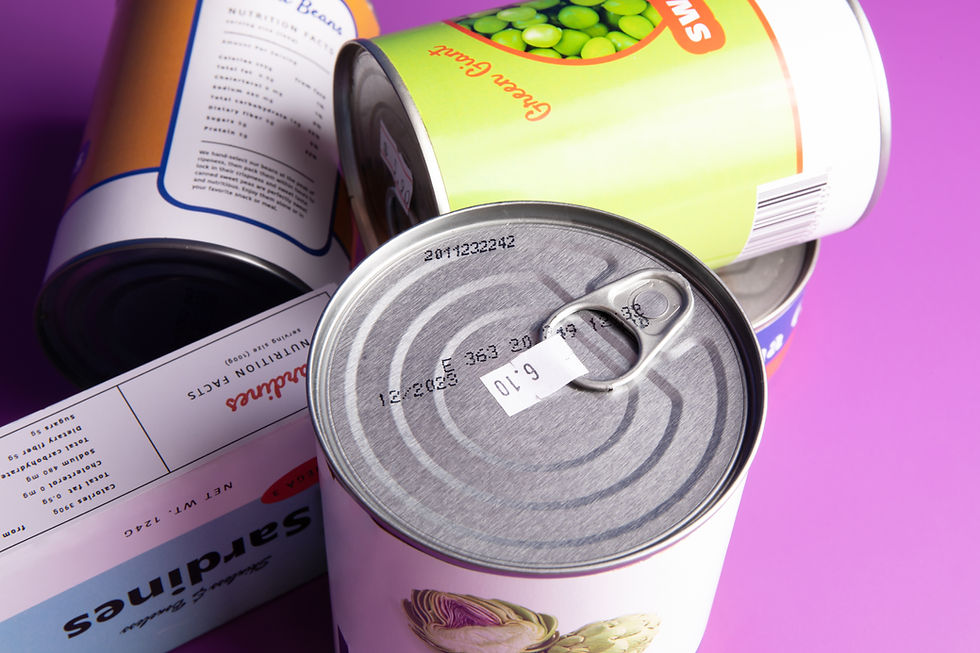
Labeling Requirements: Packaged foods must have accurate ingredient lists and nutritional information.
Zoning Laws: Check local zoning laws to ensure your business location is approved for food operations.
Insurance: Protect your business with liability insurance, property insurance, and workers’ compensation.

Understanding and adhering to these regulations protects your customers and your business reputation.

Marketing Strategies to Boost Your Food Business
Effective marketing is key to attracting and retaining customers. Here are some actionable strategies:
Leverage Social Media: Platforms like Instagram and Facebook are perfect for showcasing your dishes and engaging with customers.
Offer Promotions and Loyalty Programs: Discounts, happy hours, and loyalty cards encourage repeat business.
Collaborate Locally: Partner with local farms, breweries, or events to increase visibility.
Optimize for Online Search: Use SEO techniques to ensure your business appears in local searches. This is where a comprehensive food business guide can be invaluable.
Encourage Reviews: Positive reviews on Yelp, Google, and TripAdvisor build trust and attract new customers.
Consistent and creative marketing efforts will help your food business thrive in a competitive environment.
Financial Management and Scaling Your Food Business
Managing finances effectively is crucial for profitability and growth. Here are some tips:
Track Expenses and Revenue: Use accounting software to monitor cash flow and identify cost-saving opportunities.
Control Food Costs: Minimize waste and negotiate better prices with suppliers.
Plan for Seasonal Variations: Adjust your menu and inventory based on seasonal demand.
Invest in Technology: Point-of-sale systems and inventory management tools improve efficiency.
Consider Expansion Carefully: Once stable, explore options like opening new locations, franchising, or launching new product lines.

Good financial management ensures your food business remains sustainable and ready for future growth.
Moving Forward with Confidence
Starting a food business in the U.S. is a challenging but exciting journey. By understanding the market, following legal requirements, implementing smart marketing, and managing finances wisely, you can build a profitable and lasting enterprise. Use this guide as a starting point and continue learning from industry experts and your own experiences.

Your passion for food combined with strategic planning will set you on the path to success. Now is the time to turn your culinary dreams into reality.

Your perspective on this topic is both unique and enlightening. I admire your ability to convey such detailed information in an accessible way. choicer voicer game
Whether launching a restaurant, food truck, or packaged product Trees Hate You line, each path requires a clear concept, strong branding, and a realistic business model that accounts for competition and operating expenses.