
Best Tea Packaging Designs September 2026: Creative Tea Packaging Ideas for Modern Tea Brands

Published by MyPerfectPack | September 2026

Tea is no longer just a beverage—it is a lifestyle, a daily ritual, a wellness choice, and for many consumers, an expression of personal taste. As the tea market becomes increasingly competitive, packaging has become one of the most important tools for building a tea brand.
A consumer may see dozens of tea products on a shelf or online marketplace. Your packaging needs to answer an important question within seconds:
“Why should I pick this tea?”
At MyPerfectPack, we believe great tea packaging should combine visual appeal, product protection, brand storytelling, functionality and cost efficiency.
That is why, in this September 2026 edition, we are sharing unique tea packaging design concepts to inspire tea brands, startups, home businesses and established manufacturers.

Tea Packaging Designs to Inspire Your Brand
Our collection covers a wide variety of design directions, including:
Minimalist Green Tea

Premium Black Tea


Himalayan Tea


Assam Tea

Darjeeling Tea

Organic Tea

Herbal Tea

Masala Tea
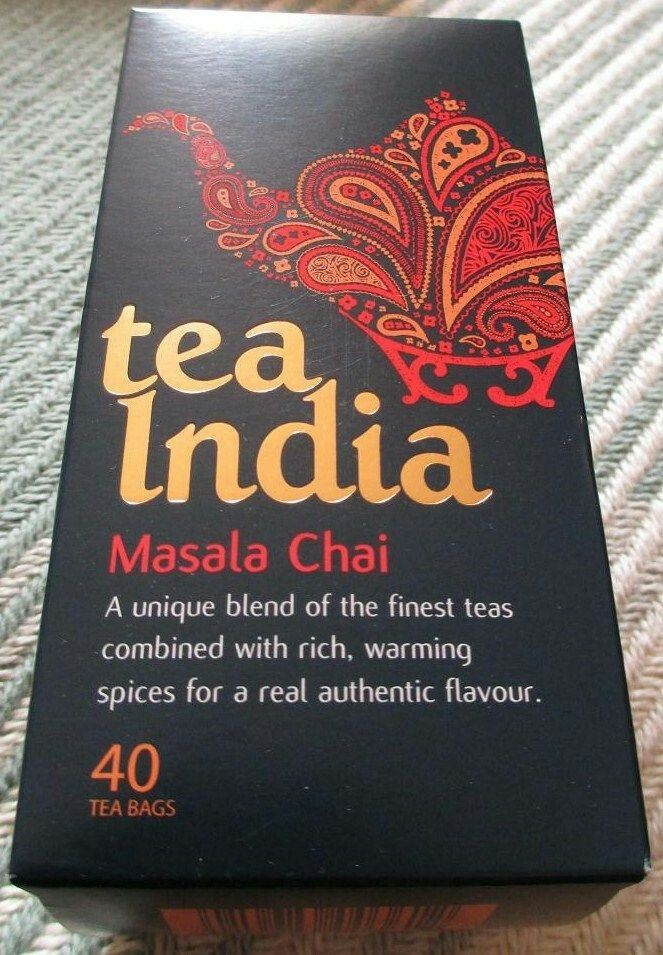
Cardamom Tea

Ginger Tea

Lemon Tea

Tulsi Tea
Chamomile Tea

Rose Tea

Kashmiri Kahwa


Wellness Tea

Detox Tea

Immunity Tea
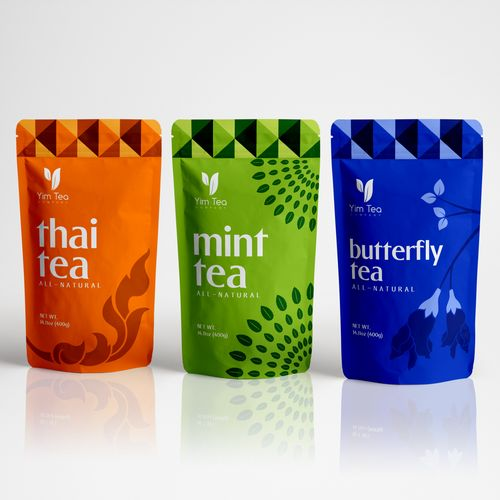
Premium Luxury Tea

Traditional Indian Tea

Modern Contemporary Tea

Rustic Kraft Tea

Eco-Friendly Tea
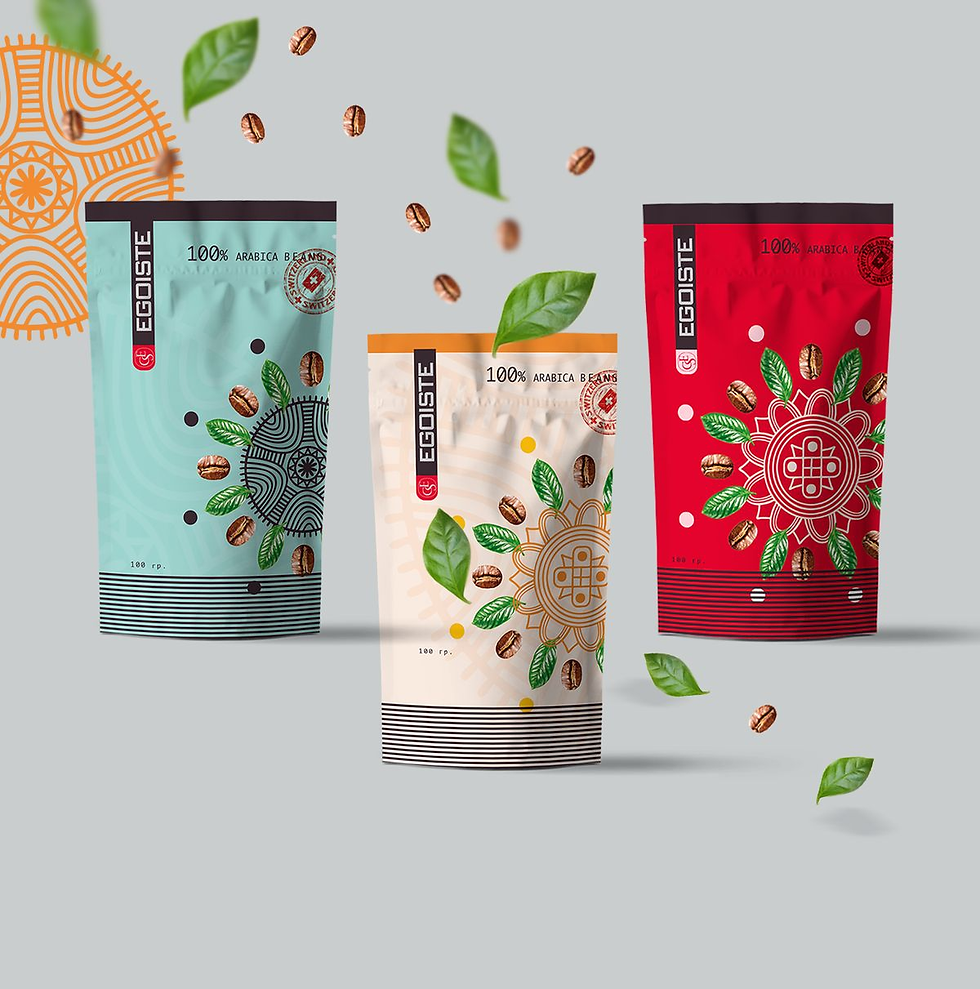
Botanical Tea


Floral Tea

Ayurveda-Inspired Tea

Women's Wellness Tea

Morning Tea

Evening Relaxation Tea

Tea for Young Consumers

Premium Gift Tea

Loose Leaf Tea
Tea Sampler Packaging

Regional Indian Tea
Export-Oriented Tea

Café-Style Tea

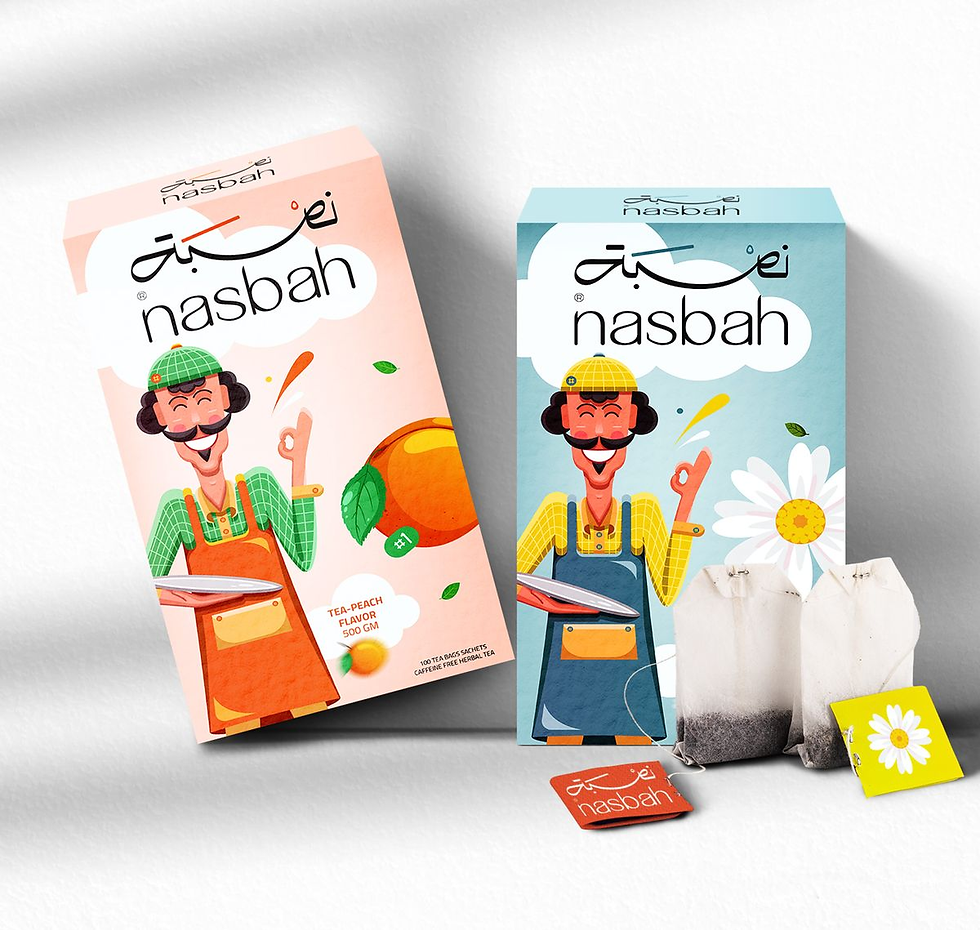
Artistically Illustrated Tea
Heritage Tea

Contemporary Luxury Tea


Nature-Inspired Tea

The objective isn't simply to make a pouch look attractive. Each concept can be developed around a specific customer, price point, tea variety and brand personality.
Why Tea Packaging Design Matters in 2026
Tea is particularly dependent on packaging because consumers associate the appearance of the pack with the quality of the tea inside.
A premium tea in an ordinary-looking package may struggle to communicate its value.
Conversely, thoughtful packaging can make a relatively simple product appear:
Premium
Natural
Authentic
Traditional
Modern
Healthy
Luxurious
Gift-worthy
Current tea packaging trends are also moving toward a combination of aesthetics, functionality, freshness protection and sustainability.

This means packaging designers need to think beyond just colours and graphics.
What Is Required for Tea Packaging?
Before designing your tea pouch, box or label, several important decisions need to be made.
1. Decide the Tea Category
The design should immediately communicate what type of tea the consumer is buying.
For example:
Green TeaNatural green shades, botanical illustrations and clean typography can work well.
Masala TeaWarm colours, spices, traditional Indian elements and stronger typography can create a familiar feeling.

Premium Black TeaDeep colours, sophisticated typography and restrained graphics can communicate premium positioning.
Herbal TeaBotanical illustrations, soft colours and natural visual elements can reinforce the herbal positioning.
2. Decide the Packaging Format
Different tea brands may require different packaging formats.
Popular options include:
Stand-Up Pouch
Excellent for modern D2C and retail tea brands.

Flat Pouch
Useful where a compact format is preferred.
Box Packaging
Suitable for premium, gift and traditional tea positioning.

Rigid Box
Ideal for luxury tea collections and gifting.

Labels + Jar
Suitable for brands selling tea in reusable jars or containers.

Pouch + Outer Box
A premium combination that provides additional shelf presence.
For startups, however, a printed stand-up pouch can often provide a much more practical starting point than investing immediately in expensive rigid packaging.

3. Choose the Correct Pouch Size
The packaging size should be selected according to the product quantity and physical characteristics of the tea.

For example, a 100 g tea pack requires enough internal volume for the tea leaves while maintaining an attractive proportion.
The final pouch dimensions should be confirmed based on:
Tea leaf size
Tea density
Product filling method
Required headspace
Pouch construction
Closure type
Desired appearance
Do not select pouch size only by weight. Two products with the same 100 g weight can occupy different volumes.
4. Focus on Freshness Protection
Tea is sensitive to environmental conditions, particularly moisture, oxygen, light and aroma transfer.
Therefore, packaging should be selected according to the tea's shelf-life requirements.
Important considerations include:
Moisture barrier
Oxygen barrier
Light protection
Aroma retention
Heat-seal performance
Material compatibility
Storage conditions
For premium tea, the packaging should not merely look premium—it should also help protect the product.

5. Decide Between Matte and Glossy Finish
The finishing can dramatically change the personality of the same design.

Matte Finish
Best for:
Premium tea
Organic tea
Wellness tea
Minimalist brands
Luxury positioning

Glossy Finish
Best for:
Colourful tea brands
Fruit tea
Young consumer brands
High-impact retail packaging

A carefully designed matte pouch can create a much more sophisticated appearance without requiring an overly complicated design.
The Most Important Parameters While Designing Tea Packaging
A good tea packaging design should balance five major elements.
1. Brand Visibility
Your brand name should be visible immediately.
Avoid making the logo too small or hiding it among decorative elements.
The consumer should be able to identify:
Brand → Tea Type → Key USP → Quantity
within a few seconds.

2. Product Name
The tea type should be prominent.
Examples:
PREMIUM ASSAM BLACK TEA
ORGANIC GREEN TEA
KASHMIRI KAHWA
CARDAMOM MASALA TEA
A beautiful design becomes ineffective if customers cannot easily understand what the product is.

3. Colour Psychology
Colour can help communicate the positioning of the tea.
Tea Positioning | Possible Colour Direction |
Green Tea | Green, cream, earthy tones |
Black Tea | Black, deep brown, burgundy |
Herbal Tea | Sage, olive, botanical green |
Premium Tea | Dark green, navy, charcoal, gold accents |
Floral Tea | Soft pink, lavender, cream |
Masala Tea | Red, orange, saffron, brown |
Organic Tea | Earthy green, kraft, beige |
Wellness Tea | Soft green, cream, muted natural colours |
The key is consistency. A strong brand should develop a recognisable colour system across multiple SKUs.

4. Typography
Typography is often underestimated in packaging.
Your font should be:
Easy to read
Appropriate for your target customer
Consistent with your brand
Clearly visible at thumbnail size
Suitable for both physical retail and e-commerce
For premium tea, elegant serif fonts can work beautifully.
For modern wellness brands, clean sans-serif typography may be more appropriate.

5. Product Photography vs Illustration
Tea packaging can use either photography or illustration.
Photography
Works well for:
Fruit tea
Flavoured tea
Ingredient-focused products
Mass-market products

Illustration
Works especially well for:
Premium tea
Heritage tea
Organic tea
Regional tea
Artisan brands
Storytelling brands
Illustration can give a tea brand a distinctive visual identity that is difficult to achieve with generic stock photography.
6. Storytelling
One of the strongest packaging trends for premium tea is storytelling.
Instead of simply writing:
“Premium Tea”
you can communicate:
Where the tea comes from
How it is harvested
The inspiration behind the blend
The region
The tea-making tradition
The brand philosophy
This can transform packaging from a simple container into a brand experience.

7. Functional Features
Tea packaging should also be convenient.
Depending on the product and packaging format, consider:
Resealable zipper
Tear notch
Easy-open design
Standing pouch structure
Suitable seal area
Light-blocking construction
Appropriate barrier properties
A consumer should be able to open, use, close and store the tea easily.
What Information Is Required on Tea Packaging?
The artwork should be prepared with the applicable food and packaging regulations in mind.
For India, tea packaging should be designed around applicable FSSAI labelling requirements and other applicable regulations. FSSAI currently lists the Food Safety and Standards (Labelling and Display) Regulations among its notified regulations.
Depending on the product and applicable requirements, the packaging artwork may need information such as:
Product name
Ingredient information, where applicable
Net quantity
FSSAI logo and licence details
Batch/Lot information
Date marking
Best before/use-by information, as applicable
Manufacturer/packer/brand-owner information
Consumer-care details
MRP
Appropriate statutory declarations
Vegetarian logo where applicable
Storage instructions where required
Legal Metrology requirements also prescribe declarations for retail pre-packaged commodities, including items such as net quantity, MRP, manufacturer/packer details and consumer-care information.

Important: Regulatory requirements can change, and the exact declarations depend on the product, pack and claims. Always verify the final artwork against the current applicable regulations before printing.

Special Consideration for Flavoured Tea
If you are launching flavoured tea, the packaging deserves additional attention.
For example:
Cardamom TeaGinger TeaRose TeaLemon TeaMasala Tea
The flavour should be immediately understandable without creating misleading expectations.
FSSAI's product standards specifically address tea and flavoured tea, including requirements relating to flavour declarations and, in applicable cases, registration of flavoured tea manufacturers with the Tea Board.
Why No MOQ Printing Is a Game Changer for Tea Startups
Traditionally, one of the biggest problems for a new tea brand has been Minimum Order Quantity (MOQ).
Imagine you have developed a new tea blend.
You want to test:
10 packs , 50, or 100 Packs
250 packs
500 packs
But a traditional packaging supplier may ask you to order thousands of printed pouches.
This creates a problem.
You have to invest money in packaging before knowing whether customers will actually buy the product.

This is where No MOQ printing changes the equation.
With No MOQ Printing & Packaging, startups can begin with smaller quantities and validate their product before committing to large production volumes.
How No MOQ Helps Save Money
Suppose a startup wants to launch four tea flavours:
Green Tea
Masala Tea
Ginger Tea
Cardamom Tea
With conventional high-MOQ printing, the startup may need to produce large quantities of every design.
That means:
More inventory + more upfront investment + higher risk.
With small-quantity/no-MOQ printing, the startup can test different products and designs with significantly less packaging inventory.
This can help reduce:
1. Dead Stock
If a particular flavour doesn't sell, you don't have thousands of unused pouches sitting in storage.
2. Design Risk
You can test a new design without committing to a huge quantity.
3. Cash Flow Pressure
Your capital can remain available for:
Tea procurement
Marketing
Sampling
E-commerce
Influencer marketing
Product development
4. SKU Risk
Launching multiple flavours becomes easier because each SKU doesn't necessarily require a huge packaging commitment.

No MOQ Also Helps Save Time
Packaging traditionally involves several steps.
Large-volume conventional printing can involve:
Design → Cylinder/Plate/Die preparation → Production planning → Printing → Finishing → Packing
For a startup testing a product, this process can become expensive and time-consuming.
Digital and small-batch printing can provide greater flexibility for testing new designs and SKUs.
This is particularly useful when a startup wants to launch quickly.

Start Small. Test. Improve. Scale.
This is one of the biggest advantages of a flexible packaging model.
Instead of:
Design → Print thousands → Hope customers like it
a startup can work toward:
Design → Print small quantity → Launch → Collect feedback → Improve → Scale
This is a much more startup-friendly approach.
Why MyPerfectPack Is Useful for New Tea Brands
At MyPerfectPack, we focus on making packaging more accessible to startups, small businesses and growing brands.
The goal is simple:
You should be able to build a professional-looking brand without needing a massive packaging budget on Day 1.
Our packaging ecosystem can support tea businesses with:
Printed tea pouches
Stand-up pouches
3-side-seal pouches
Paper boxes
Rigid boxes
Labels and stickers
Packaging design
GTIN Barcode support
FSSAI-related support
Nutrition testing
Packaging consultation
This creates a one-stop packaging journey for entrepreneurs.
From AI Design to Print-Ready Packaging
Today, entrepreneurs can create impressive concepts using:
ChatGPT
Gemini
Canva
AI image-generation tools
But there is an important difference between an AI-generated image and a print-ready packaging artwork.
A production-ready design needs to consider:
Correct dimensions
Bleed
Safe area
Typography
Vector elements
Colour profile
Barcode readability
Text legibility
Printing limitations
Sealing area
Zipper/tear-notch position
Regulatory information
Therefore, before sending artwork for production, the design should be properly prepared for the selected packaging format.
Designing for E-Commerce Is Equally Important
Tea packaging is no longer designed only for supermarket shelves.
Today, your pouch may first appear on:
Amazon
Flipkart
Your website
Instagram
Facebook
WhatsApp
Quick-commerce platforms
Therefore, your packaging must look attractive even when displayed as a small thumbnail on a mobile screen.
This is why:
Large logo + clear product name + strong visual identity + clean hierarchy
is often more effective than filling the front panel with too much information.
One Design System for Multiple Tea Flavours
If you are planning a tea brand with multiple SKUs, don't create completely unrelated designs.
Instead, create a master design system.
For example:
Brand
Same
Logo
Same
Typography
Same
Layout
Same
Tea Type
Changes
Colour
Changes
Ingredient Illustration
Changes
This creates a professional product family.
A customer should be able to look at your shelf and immediately recognise:
“These are all from the same brand.”

Example: Building a 5-SKU Tea Brand
Imagine launching:
01 — Premium Black TeaDark green + gold
02 — Green TeaFresh green + cream
03 — Masala TeaSaffron + deep red
04 — Cardamom TeaGreen + botanical illustration
05 — Herbal Wellness TeaSage green + beige
The individual products look different, but the brand architecture remains consistent.
This is how small brands can start looking like established brands.

Packaging Should Match Your Price Point
A ₹100 tea product doesn't necessarily need the same packaging as a ₹1,000 luxury tea.
Your packaging investment should match:
Product Price + Target Customer + Distribution Channel + Brand Positioning
For a mass-market tea:
Simple + clear + recognisable
For a premium tea:
Minimal + sophisticated + tactile + storytelling
For luxury tea:
Distinctive + elegant + gift-worthy + highly detailed
Sustainability Is Becoming More Important
Sustainability is increasingly influencing packaging decisions in 2026. Tea packaging discussions are moving toward recyclable structures, reduced material usage, responsible paper solutions and packaging that balances sustainability with product protection.
However, sustainability should not be treated simply as a marketing word.
A better approach is to ask:
Can the material be recycled?
Is the packaging structure appropriate for the product?
Can material usage be reduced?
Is the package unnecessarily oversized?
Can secondary packaging be reduced?
Are sustainability claims accurate and supportable?
The best sustainable package is one that considers product protection, material efficiency, functionality and end-of-life together.

One Design, One Purpose: Helping You Start
The 40 tea packaging concepts featured in this September 2026 collection are designed to give entrepreneurs ideas before they start production.
You can take inspiration from:
Colours
Typography
Illustrations
Layout
Pouch shape
Storytelling
Product positioning
Premium elements
Natural elements
Regional identity
You don't need to copy an existing design.
Instead, use the concepts as a starting point to create something unique to your brand.

Final Checklist Before Printing Your Tea Packaging
Before approving your artwork, ask:
Brand
☐ Is the logo clearly visible?
Product
☐ Can customers immediately identify the tea?
Design
☐ Does the design match the target audience?
Quantity
☐ Is the net quantity clearly displayed?
Regulatory
☐ Have applicable FSSAI requirements been checked?
Legal Metrology
☐ Have applicable declarations been checked?
Barcode
☐ Is the barcode correctly generated and readable?
Printing
☐ Is the artwork in the correct size and print format?
Material
☐ Is the packaging suitable for tea and the required shelf life?
Functionality
☐ Does the pouch have an appropriate opening/closing mechanism?
E-commerce
☐ Does the design look good as a small product thumbnail?
SKU
☐ Can the same design system be extended to other flavours?

Conclusion: Great Tea Deserves Great Packaging
The tea market is full of opportunities for entrepreneurs.
But launching a tea brand doesn't necessarily require a huge factory, thousands of printed pouches or a massive initial investment.
With modern digital printing, No MOQ packaging, professional design and the right packaging strategy, a startup can start small, test its market and gradually scale.
At MyPerfectPack, our vision is to make professional packaging accessible to businesses of every size—from a home-based tea entrepreneur launching their first 100 packs to an established brand expanding across multiple SKUs.
Your first tea pouch doesn't have to be your final packaging.
Start small.Build your brand.Test your market.Learn from customers.Improve your packaging.And scale when you're ready.
Explore 40 Unique Tea Packaging Designs for September 2026
Need tea pouches, boxes, labels or complete packaging support?
MyPerfectPack — No MOQ Printing & Packaging
No Cylinder • No Die • Flexible Quantities • Professional Packaging • One-Stop Solution


I checked MapQuest driving directions ahead of time, which made planning my trip to an unfamiliar place feel easier.
This article contains some excellent information. Thanks for taking the time to share it. 정보이용료 현금화
Thanks for explaining the topic in a simple and practical way. Piso WiFi users often need reliable information about login portals and network settings. Learning about 10.0.0.1 piso wifi can help beginners understand where to start when checking available settings or troubleshooting access issues.
Thank you so much for sharing this wonderful post! I truly appreciate your time, effort, and thoughtfulness. Your support and kindness mean a lot, and it’s always a pleasure to see such inspiring content. Thank you again for sharing and for making a Taraftarium24 positive impact. Keep up the amazing work!
Spent way too long on Poki last weekend — started with one puzzle game and ended up trying like five different ones. Everything loads right in the browser which is nice when you just want something quick without installing anything. The variety is honestly what keeps me coming back.